Single Origin vs Blended Coffee: Which Should You Buy?
Single origin and blended coffee both have their place — but they're not interchangeable. Here's how to choose the right one for your taste, your business, and your customers
Walk into any specialty coffee shop and you'll find both single origin and blended coffees on the menu. Ask the barista which is better and you'll probably get a long answer. Here's the short version — and how to decide which is right for you.
What Is Single Origin Coffee?
Single origin coffee comes from one specific place — a single country, region, or farm. The beans are traceable back to their source, and the flavour reflects the unique conditions of that place: the altitude, the soil, the climate, the processing method.
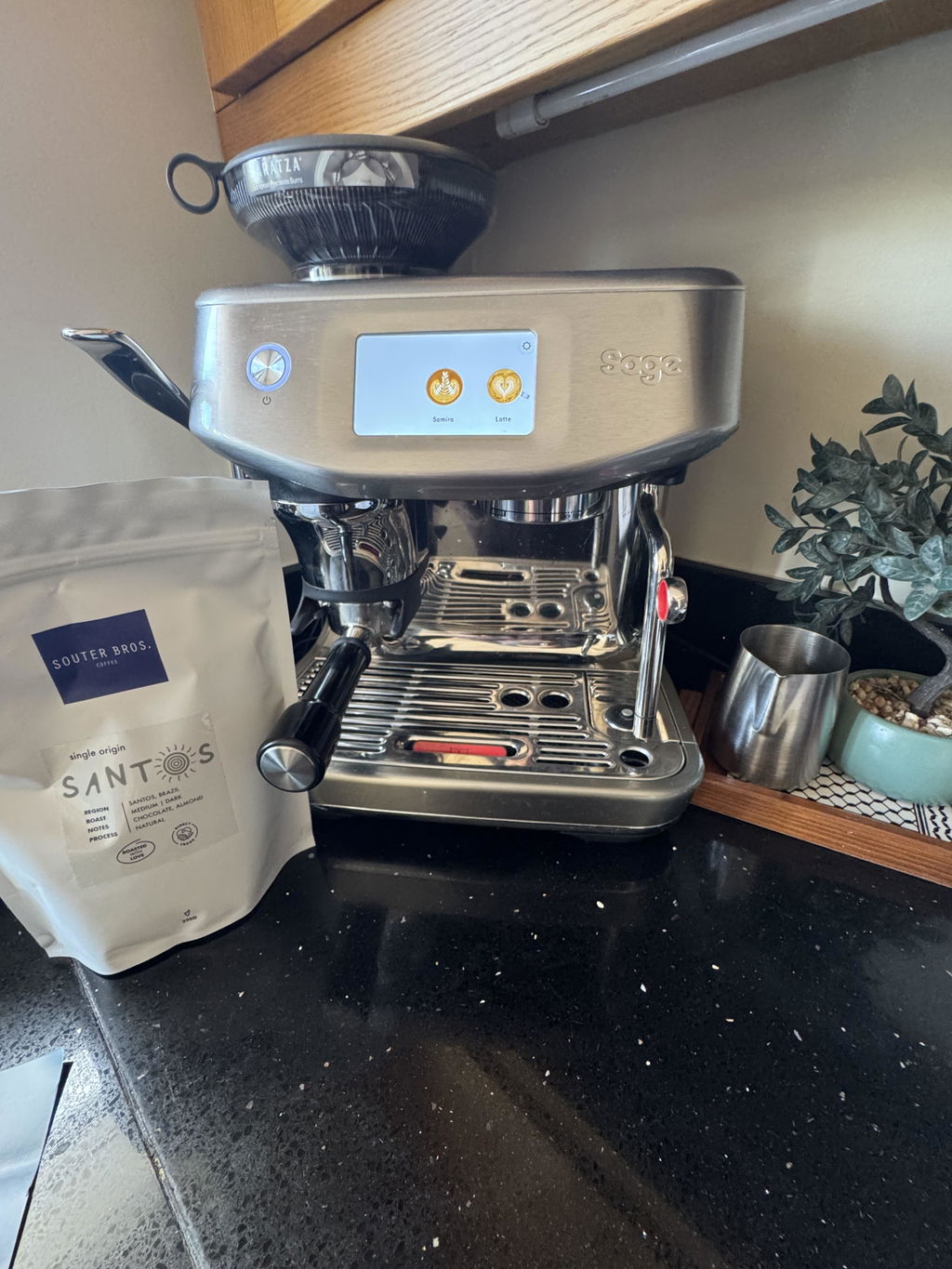
This traceability is the point. When you buy a single origin coffee, you're buying a specific flavour profile that can't be replicated anywhere else. Our Brazilian Santos, for example, has dark chocolate and roasted almond notes that come directly from the São Paulo highlands and the natural drying process used on that farm.
Single origin coffees tend to be more expensive because they're produced in smaller quantities and require more careful sourcing. But you're paying for something genuinely distinctive.
What Is Blended Coffee?
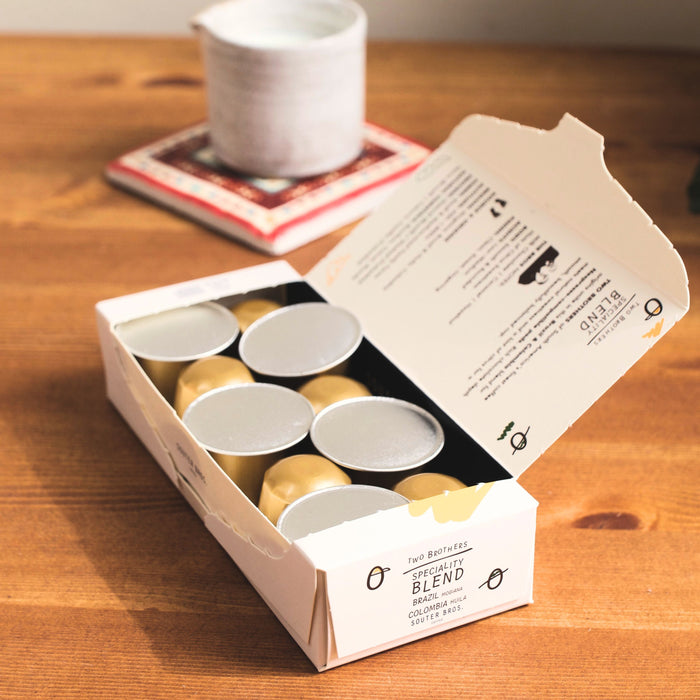
A blend combines beans from two or more origins, roasted and mixed to create a consistent, balanced flavour profile. The goal is usually to achieve something greater than the sum of its parts — using a bright Ethiopian to add acidity, a Brazilian to add body, and a Colombian to add sweetness, for example.
Blends are the backbone of most commercial espresso. They're designed to be consistent across seasons and harvests, which matters enormously for businesses that need the same cup every day.
The Key Differences
Flavour Single origin coffees tend to have more distinctive, complex flavour profiles — sometimes fruity, floral, or unusual. Blends are designed to be balanced and approachable, with no single note dominating.
Consistency Blends win on consistency. Because they draw from multiple sources, a skilled roaster can adjust the blend when one origin has a weaker harvest without the customer noticing. Single origin coffees change with each harvest — which is part of the appeal, but can also mean variation.
Traceability Single origin is unbeatable here. You know exactly where your coffee came from, which matters for sustainability credentials and for customers who care about the supply chain.
Price Blends are generally more affordable because they can use a mix of premium and more accessible beans. Single origin commands a premium for its specificity and traceability.
Brewing method Single origin coffees often shine brightest in filter, pour over, or cafetière — methods that let the nuanced flavours come through. Blends are typically designed with espresso in mind, where the pressure and heat can mask subtlety but reward balance.
Which Should You Choose?
Choose single origin if:
- You want a distinctive, memorable flavour experience
- Traceability and sustainability matter to your customers
- You're brewing filter, pour over, or cafetière
- You want to tell a story about where your coffee comes from
Choose a blend if:
- You need consistency across every cup, every day
- You're running a high-volume espresso operation
- You want a balanced, crowd-pleasing flavour that works across milk drinks
- You're managing costs across a large menu
Do You Have to Choose?
Not at all. Many of the best independent cafés and hospitality businesses run both — a house blend for espresso and milk drinks, and a rotating single origin for filter or as a talking point for coffee-curious customers. It gives you range without complexity.
At Souter Bros., we supply both single origin and blended coffees to wholesale customers.
Find out about wholesale here.
Or if you want to start with our most popular single origin