Direct Trade Coffee, Explained: What It Means and Why It Matters
Direct trade coffee means the roaster buys straight from the grower. What that changes for farmers, for quality, and for your cup.
Turn over a bag of specialty coffee and you'll often find the phrase "direct trade". Unlike some coffee-bag vocabulary, this one carries real weight — it describes how the coffee was bought, who got paid, and it quietly predicts how good the coffee is likely to be. Here's what it means in practice.
What direct trade means
Direct trade means the roaster buys coffee directly from the people who grew it — a farm or a co-operative — rather than through the chain of exporters, importers and commodity brokers that conventional coffee passes through.
In the conventional model, coffee is a commodity: beans from thousands of farms are pooled, graded and traded at prices set by the futures market in New York. The farmer is a price-taker at the bottom of a long chain, and their coffee disappears into an anonymous blend.
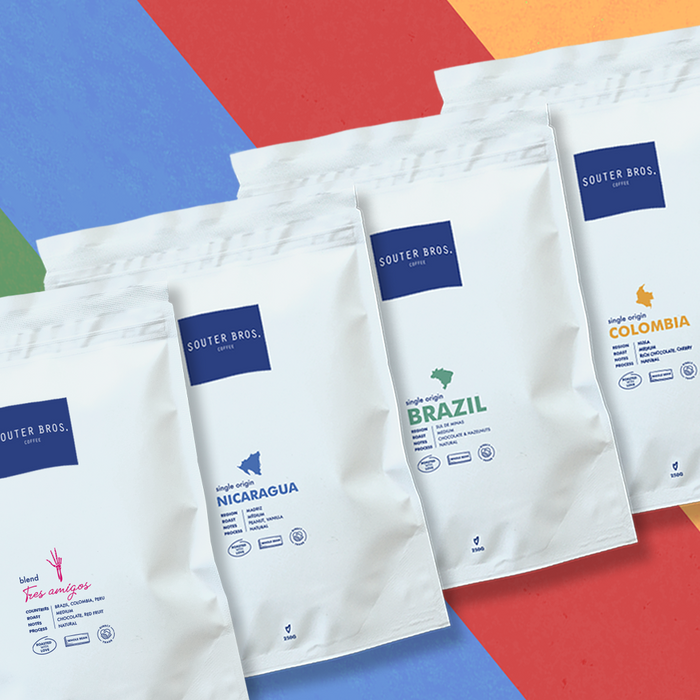
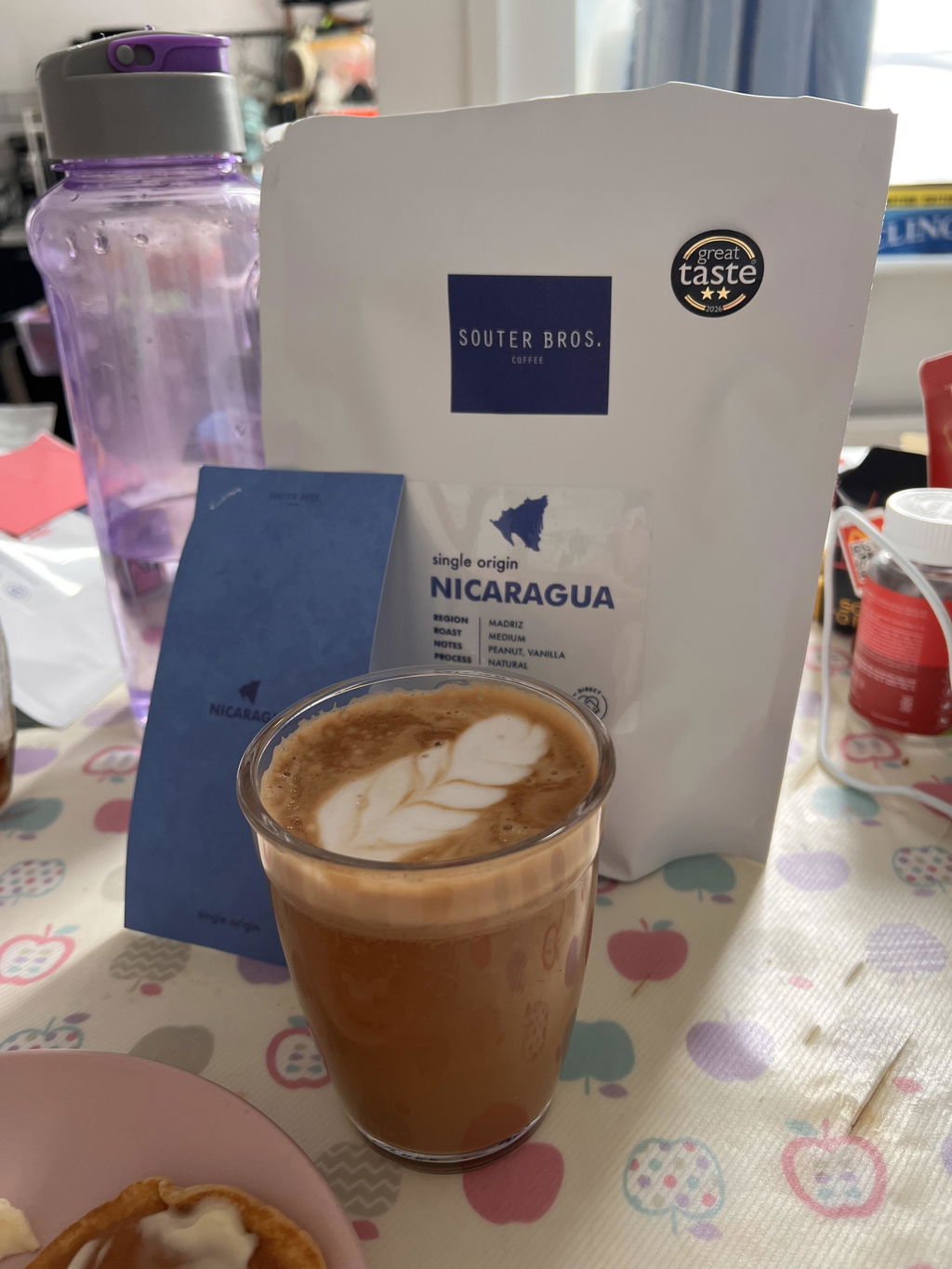
In a direct trade relationship, the roaster knows exactly whose coffee they're buying, pays a price negotiated with the grower — typically well above the commodity rate — and comes back season after season. We work directly with the producers behind every coffee we roast, which is why our bags can say precisely where each one comes from: Huila in Colombia, Mogiana in Brazil, the Tambopata Valley in Peru, the mountains of Nicaragua.
Direct trade vs Fairtrade: what's the difference?
They're often confused, and they solve different problems. Fairtrade is a certification scheme: it guarantees co-operatives a minimum price floor and a social premium. It's a safety net, and a valuable one, but it's about the floor, not the ceiling — Fairtrade coffee can still be commodity-grade and anonymously blended.
Direct trade isn't a certification; it's a relationship. There's no auditor and no logo, which means it relies on the roaster being transparent about their sourcing. But when it's done honestly, it usually pays farmers more than certification schemes do, because the price is tied to quality rather than to a minimum floor.
Why direct trade coffee tastes better
This is the part people miss: direct trade isn't just an ethical choice, it's a quality mechanism.
When a farmer's coffee disappears into a commodity pool, there is no reward for the hard, expensive work that makes coffee excellent — picking only ripe cherries, meticulous processing, careful drying. Commodity pricing pays the same either way, so the rational farmer cuts corners.
Direct trade flips the incentive. The grower knows the roaster will pay more for better quality and will return next season. Quality becomes an investment that pays, and it shows in the cup — the difference between "coffee" and a Colombian that genuinely tastes of cherry and raspberry.
How to spot the real thing
Because "direct trade" isn't regulated, look for specifics. A roaster doing it properly can tell you the region, the farm or co-operative, and something about the relationship. Vague claims and no traceability are a yellow flag; named farms, named regions and tasting notes that change with the harvest are the signature of the real thing.
Taste what a fair deal produces
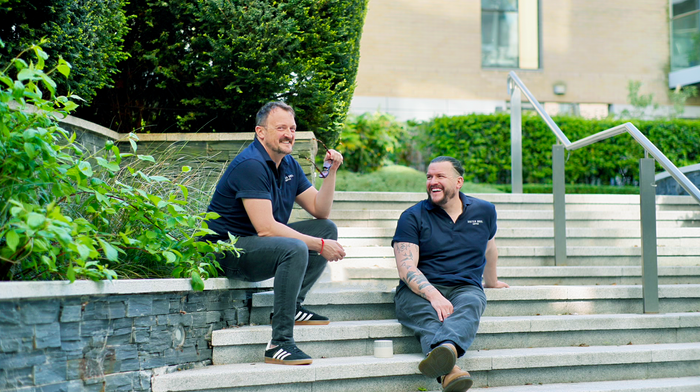
Every coffee we sell is sourced through direct relationships with growers and roasted in small batches in London by two brothers who taste everything before it ships. If you want to taste what properly-incentivised farming produces across four different origins, The Essential Four Bundle is the place to start — free UK delivery over £25, and 20% off your first order with code WELCOME20.