What Is Single Origin Coffee? A Beginner's Guide
What single origin coffee actually means, why it tastes so different from blends, and how to find the origin that suits you.
If you've started exploring specialty coffee, you'll have seen the words "single origin" on almost every bag worth buying. It's not marketing fluff — it's probably the single most useful label in coffee. Here's what it actually means, and why it changes what ends up in your cup.
Single origin coffee, defined
Single origin coffee comes from one place — one country, one region, and often one farm or co-operative — rather than being blended from beans grown in several countries. When we sell our Colombia Huila, every bean in that bag was grown in the Huila region of southwest Colombia. Nothing else is mixed in.
That matters because coffee, like wine, tastes of where it's grown. Soil, altitude, climate and processing all leave fingerprints on the bean. Blend beans from four countries together and those fingerprints smudge into something pleasant but anonymous. Keep them separate and each origin's character comes through clearly.
Why single origin tastes different from a blend
Most supermarket coffee is blended for consistency — the goal is that this year's bag tastes like last year's. Specialty coffee beans go the other way: single origins are roasted to show off what makes each one distinctive.
Taste a few side by side and the differences are obvious even to a complete beginner:
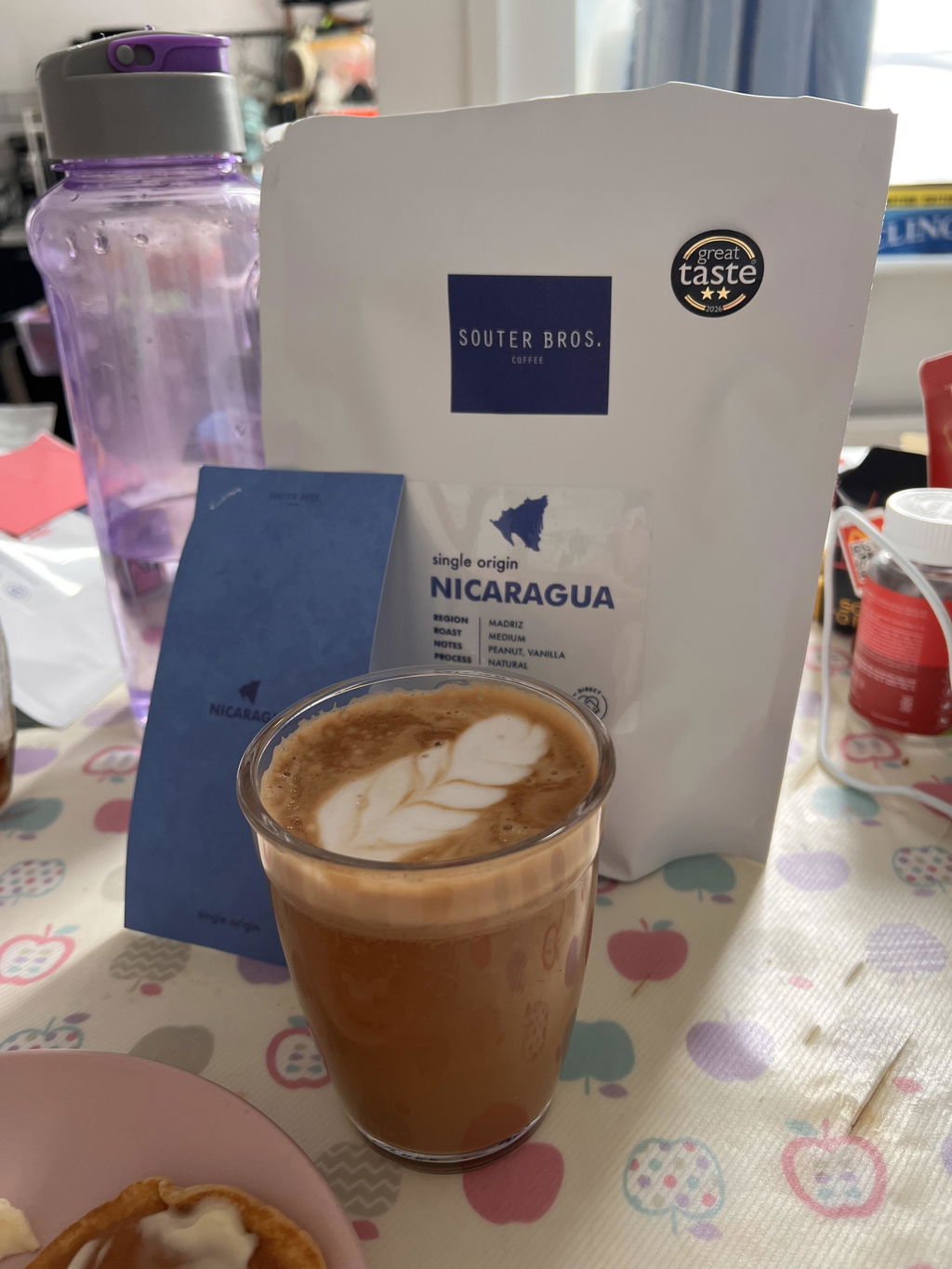
A Brazil Mogiana is smooth and comforting — milk chocolate and hazelnut, low acidity, the kind of cup that works every single morning. A Colombia Huila is brighter and livelier, with cherry and raspberry notes over a chocolate base. A Peru Tambopata brings red fruit, citrus and sugarcane sweetness, while a Nicaragua sits somewhere lovely in between — vanilla, citrus and cocoa.
None of these is "better". They're different, and that's the point.
Does single origin mean higher quality?
Usually, yes — indirectly. To sell a coffee as single origin, the roaster has to be confident the beans can stand on their own without being propped up by a blend. That generally means specialty-grade beans, picked ripe, processed carefully and traceable back to source. It's also why single origins tend to be sold fresh-roasted by small roasters rather than sitting on supermarket shelves for months.
It's not a guarantee, though. A stale single origin will still taste flat. Origin tells you where the coffee is from; freshness and roasting skill determine whether that potential reaches your cup. (We roast to order in London, in small batches, which is our answer to that problem.)
How to choose your first single origin
Start with how you like your coffee now:
If you drink it with milk — go for a Brazilian. Chocolate and nut notes cut through milk beautifully.
If you drink it black — try a Colombian or Peruvian. The fruit and acidity that milk would mask get room to shine.
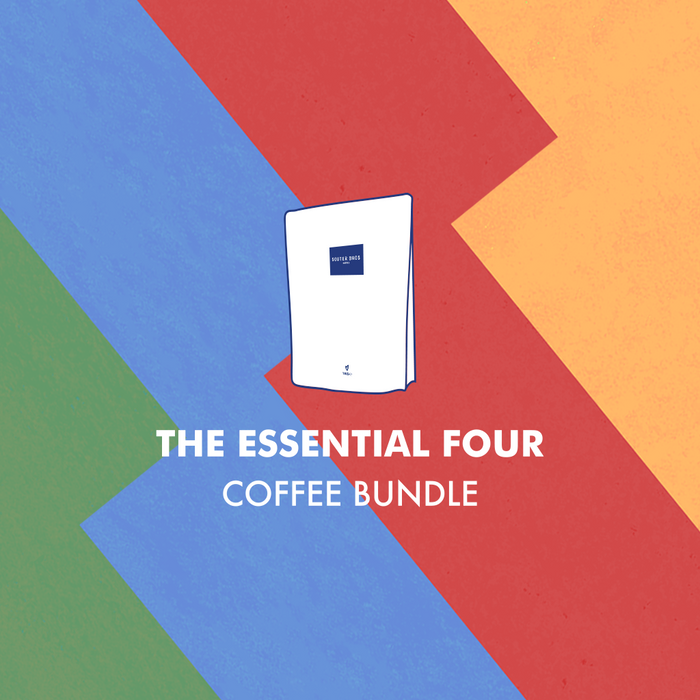
If you're not sure — don't pick one. Try several. The differences between origins are far easier to taste in comparison than in isolation, which is exactly why we built The Essential Four Bundle — four essential coffees in one box, so you can run your own tasting at home and find your favourite.
Brewing single origin at home
You don't need special kit. Whatever you brew with now — cafetière, filter, espresso machine — will show the differences between origins. Two tips make an outsized difference: buy whole bean and grind just before brewing if you can, and check the roast date on the bag. Specialty coffee is at its best within a few weeks of roasting, which is why buying direct from the roaster beats buying from a shelf.
The short version
Single origin coffee is coffee from one place, roasted to taste like that place. It's the fastest way to discover what you actually like — and once you've tasted a bright Colombian next to a chocolatey Brazilian, the anonymous blend in the supermarket aisle never quite satisfies again.
Ready to explore? The Essential Four Bundle gets you four essential coffees for £35 — and new customers get 20% off with code WELCOME20.